Comparing Property Maintenance Standards Between Montreal and Athens Investments
Reading time: 9 minutes
Ever bought a property abroad and discovered, six months later, that “recently renovated” meant something entirely different to the seller than it did to you? You’re not alone. Property maintenance standards vary wildly between cities, and few pairings illustrate this better than Montreal and Athens—two cities with completely different climates, building codes, and cultural attitudes toward upkeep.
Table of Contents
- Why Maintenance Standards Matter for Investors
- Montreal: Climate-Driven Compliance
- Athens: Heritage Meets Modern Renovation
- Head-to-Head Comparison
- Common Challenges and How to Overcome Them
- Frequently Asked Questions
- Your Roadmap Forward
Why Maintenance Standards Matter for Investors
Here’s the straight talk: property maintenance isn’t a cosmetic afterthought—it’s a financial variable that directly affects your rental yield, resale value, and legal exposure. In 2026, investors comparing North American and Southern European markets are discovering that “maintenance” carries different legal weight, different costs, and different expectations depending on where the building sits.
In Montreal, a harsh freeze-thaw cycle means structural waterproofing isn’t optional—it’s mandated by municipal bylaws and enforced through building inspections tied to co-ownership (condo) regulations. In Athens, by contrast, maintenance obligations are shaped more by Ottoman-era and post-war construction quirks, seismic retrofitting requirements, and a patchwork of shared-ownership rules that can leave buyers guessing about who’s responsible for what.
Quick Scenario: Imagine you’re deciding between a pre-war triplex in Montreal’s Plateau and a 1960s apartment block in central Athens. What hidden maintenance liabilities might you inherit? Let’s dive deep and turn potential blind spots into informed decisions.
Montreal: Climate-Driven Compliance
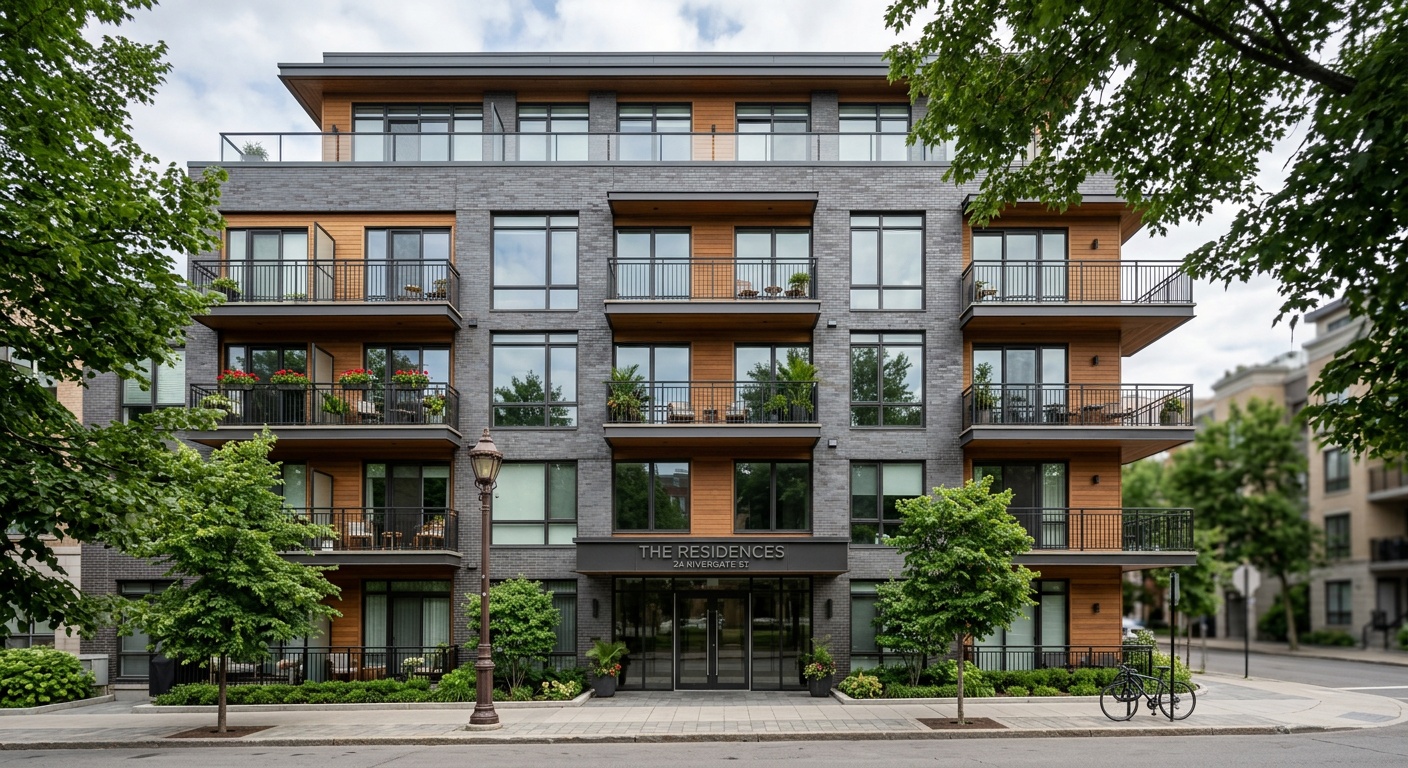
Montreal’s property maintenance culture is shaped almost entirely by winter. Quebec’s building code, reinforced by the province’s Régie du logement successor tribunal (the Tribunal administratif du logement), requires landlords to maintain heating systems, roof integrity, and window seals to a standard that prevents freeze damage. As of 2026, Montreal has intensified enforcement following a string of 2024-2025 incidents involving deferred maintenance in older triplexes, particularly in boroughs like Hochelaga-Maisonneuve and Villeray.
Condo Boards and the Fonds de Prévoyance
Quebec law requires every condominium syndicate to maintain a “fonds de prévoyance” (contingency fund) covering at least 30 years of anticipated major repairs, based on a mandatory reserve fund study updated every five years. This is a legal requirement, not a suggestion, and it’s one of the strongest consumer protections in North American real estate. Investors buying into a Montreal condo in 2026 can request the latest reserve fund study before closing—a document that reveals whether the roof, façade, and plumbing are properly budgeted or quietly neglected.
Seasonal Maintenance Cycles
Montreal property managers typically follow a rigid seasonal calendar: fall gutter clearing and window caulking, winter snow-load roof monitoring, spring foundation crack inspections, and summer masonry repointing. Skipping any one of these phases compounds risk quickly—frozen pipes and ice damming are the two most common insurance claims cited by Quebec property insurers in their 2025 annual reports.
Athens: Heritage Meets Modern Renovation
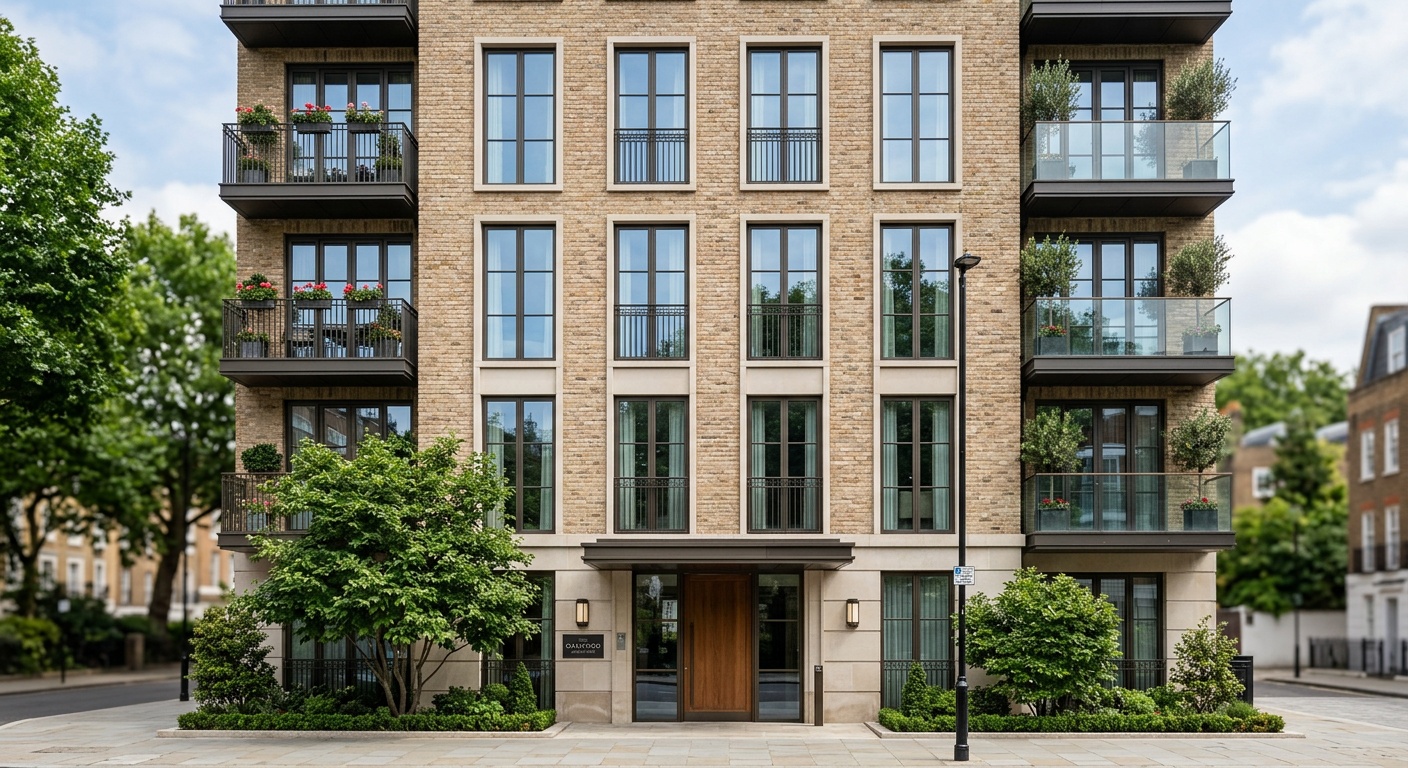
Athens presents a strikingly different maintenance landscape. Many residential buildings date from the 1950s-1970s “polykatoikia” construction boom, and ownership is often split among dozens of individual apartment owners within a single building, governed by an informal “diachirisi” (building management) system rather than a formal condo board. This means maintenance decisions—repainting a façade, repairing a shared roof, upgrading an elevator—require consensus among owners who may have wildly different renovation budgets and priorities.
Seismic and Structural Retrofitting
Greece’s seismic activity means structural maintenance carries a different urgency than in Montreal. Since the 2023 update to the Greek Antiseismic Regulation (updated again in early 2026 following minor tremors in the Attica basin), buildings constructed before 1985 are increasingly subject to voluntary retrofitting incentives, including the “Exoikonomo” and related renovation subsidy programs. Investors purchasing older Athens stock should factor retrofit costs into their acquisition budget, even if not immediately legally mandated.
The Golden Visa Renovation Wave
Athens has seen a notable renovation wave tied to Greece’s Golden Visa program, which in 2026 requires a minimum investment threshold of €800,000 in most areas (following the 2025 increase). This has pushed many investors toward buying older properties and renovating to modern standards rather than purchasing pre-renovated units, which command a significant premium. For buyers seeking finished, high-spec options, luxury apartments for sale in athens greece increasingly come with documented renovation histories, energy certificates, and updated waterproofing—addressing exactly the maintenance transparency gap that troubles buyers of older stock.
Head-to-Head Comparison
| Metric | Montreal | Athens |
|---|---|---|
| Mandatory Reserve Fund | Yes, legally required (30-year study) | Rare, mostly informal agreements |
| Average Annual Maintenance Cost (% of property value) | 1.2% – 1.8% | 0.6% – 1.1% |
| Primary Structural Risk | Freeze-thaw, ice damming | Seismic stress, façade erosion |
| Renovation Subsidy Access | Limited municipal grants | Active national programs (Exoikonomo) |
| Building Age (typical stock) | 1900-1980 | 1950-1975 |
Visualizing the Maintenance Burden
Common Challenges and How to Overcome Them
Challenge 1: Opaque ownership consensus in Athens. Because many buildings lack a formal condo board, getting agreement on major repairs can stall for years. Fix: Before purchasing, request minutes or written records from the building’s informal manager (diachiristis) covering the past three years, and confirm whether a maintenance fund—however informal—actually exists.
Challenge 2: Underfunded reserve studies in Montreal. Even with legal requirements, some older syndicates underestimate future costs. Fix: Hire an independent building inspector to cross-check the reserve fund study against visible wear, particularly on roofing and brick façades older than 40 years.
Challenge 3: Currency and subsidy mismatches. Greek renovation subsidies are typically paid in euros with local tax documentation, which can confuse foreign investors managing Canadian dollar budgets. Fix: Work with a bilingual accountant familiar with both jurisdictions before committing to a renovation subsidy application.
As one Athens-based property manager told a 2025 industry roundtable: “Buyers assume a renovated façade means a renovated building. Often it means someone painted over the problem.” That single quote captures why documentation, not appearance, should drive your due diligence in either city.
Frequently Asked Questions
Is Montreal’s maintenance system genuinely stricter than Athens’?
Yes, in terms of legal enforcement. Quebec’s mandatory reserve fund studies and tribunal oversight create a more predictable compliance environment. Athens relies more heavily on informal owner consensus, which can be efficient in well-organized buildings but risky in poorly managed ones.
Which city offers better renovation subsidy support for investors?
Athens currently has more active national-level renovation incentives tied to energy efficiency and Golden Visa-adjacent programs, while Montreal’s support is more limited and municipally fragmented.
What single document should I request in each city before buying?
In Montreal, request the five-year reserve fund study. In Athens, request the building’s informal maintenance ledger or diachiristis correspondence covering recent repairs and cost-sharing agreements.
Your Roadmap Forward
Property maintenance standards aren’t just administrative footnotes—they’re a lens into how seriously a market protects long-term asset value. As climate adaptation and seismic resilience both become bigger themes in 2026 real estate policy, the gap between formally regulated markets like Montreal and consensus-driven markets like Athens will likely narrow, but slowly.
- Step 1: Request the relevant maintenance or reserve fund documentation before making any offer, regardless of city.
- Step 2: Budget an additional 10-15% contingency for older Athens properties lacking formal reserve funds.
- Step 3: Verify Montreal reserve fund studies with an independent inspector rather than accepting the syndicate’s numbers at face value.
- Step 4: If pursuing Athens renovation subsidies, engage a bilingual accountant early in the process.
- Step 5: Reassess your maintenance budget annually—climate and seismic risk profiles are shifting in both cities.
So, which matters more to you as an investor: the predictability of enforced regulation, or the flexibility—and occasional risk—of a more informal system? The answer might just define your next property move.