Common Waterproofing Mistakes Montreal Condo Owners Should Avoid
Reading time: 9 minutes
Water doesn’t knock before it comes in. One Griffintown condo owner discovered this the hard way in early 2026, when a hairline crack in her balcony membrane turned into a $14,000 ceiling repair for the unit below. She’s not alone—and honestly, she won’t be the last. Montreal’s freeze-thaw cycles, aging building envelopes, and DIY culture create a perfect storm for waterproofing disasters that are almost always preventable.
Let’s dig into the mistakes that keep happening, why they happen, and how you can avoid becoming next winter’s cautionary tale.
Table of Contents
- Why Montreal Condos Are Especially Vulnerable
- Mistake #1: Ignoring Balcony and Terrace Membranes
- Mistake #2: DIY Sealant Jobs Gone Wrong
- Mistake #3: Overlooking Parking Garage Waterproofing
- Comparing Waterproofing Approaches
- How Costs Stack Up: A Visual Breakdown
- Practical Prevention Roadmap
- FAQs
Why Montreal Condos Are Especially Vulnerable
Montreal isn’t Miami. We don’t deal with hurricanes, but we deal with something arguably more destructive over time: freeze-thaw cycles. According to Environment Canada data compiled through 2025, the city experiences an average of 55-60 freeze-thaw transitions per winter. Every time water seeps into a micro-crack and freezes, it expands roughly 9% in volume, widening the crack a little more. Repeat that process sixty times a season, and you understand why condo buildings—especially those constructed between 1990 and 2010—are showing accelerated envelope failures in 2026.
Add to that Quebec’s notoriously heavy spring runoff and summer humidity spikes, and you’ve got a recipe where even minor waterproofing oversights compound into structural headaches within just a few years.
The Syndicate Factor: Shared Responsibility, Shared Blame
Here’s where things get politically messy. In most Montreal condo buildings, the syndicate (condo board) is responsible for common areas—roofs, exterior walls, parking garages—while owners handle interior finishes. But balconies? Terraces? Those exist in a gray zone that trips up even experienced boards. Confusion over who’s responsible for what often delays repairs by months, and every delayed month is another month water has to do damage.
Insurance Realities Nobody Talks About
Quebec insurers have tightened their stance on water damage claims significantly since 2024. Many policies now include exclusions or high deductibles specifically for “gradual water infiltration”—as opposed to sudden pipe bursts. That means if your waterproofing failure was slow and preventable, you might be footing the bill largely on your own. This alone should be reason enough to get proactive rather than reactive.
Mistake #1: Ignoring Balcony and Terrace Membranes
Balcony membranes are the unsung heroes of condo waterproofing—until they fail, and then everyone notices. The mistake owners make constantly is assuming that because the surface looks fine (tiles intact, no visible cracks), the membrane underneath is also fine. It often isn’t.
Membranes typically last 15-20 years under ideal conditions, but Montreal’s climate can cut that lifespan down to 10-12 years if drainage wasn’t properly designed. A property manager overseeing a 120-unit building in Ville-Marie told me during a 2026 site consultation: “We didn’t think about the balconies until three units reported staining on their ceilings. By then, we were looking at a $180,000 remediation project instead of a $40,000 preventive one.”
Actionable tip: Request a membrane inspection every 5-7 years, particularly if your balcony was built before 2015. Look for pooling water after rain—if water sits for more than 24 hours, that’s a drainage red flag, not just a cosmetic issue.
Mistake #2: DIY Sealant Jobs Gone Wrong
We get it—hardware stores make it look easy. Grab a caulk gun, seal around the window frame, done. Except improper sealant application is one of the top reasons Montreal condos experience recurring leaks in the same spots year after year.
The problem isn’t the effort; it’s the technique and materials. Many owners use interior-grade acrylic caulk on exterior joints, which cracks and shrinks after one winter. Others fail to remove old, failed sealant before applying new layers, trapping moisture underneath rather than blocking it.
A case in point: a Plateau-Mont-Royal condo owner spent three consecutive summers re-caulking the same window because she never addressed the underlying flashing issue causing the leak. The sealant was treating a symptom, not the cause.
Pro Tip: If you’re sealing anything exterior-facing in Quebec’s climate, use polyurethane or silicone-based sealants rated for temperatures as low as -40°C. And always remove old sealant completely—layering never works long-term.
Mistake #3: Overlooking Parking Garage Waterproofing
Underground and above-ground parking garages are arguably the most neglected waterproofing zone in Montreal condos. Owners rarely think about them because, well, nobody’s living down there. But garages are exposed to road salt, vehicle runoff, and constant freeze-thaw stress on concrete slabs.
Chloride-induced corrosion of rebar is a silent killer in these structures. By the time you see rust stains or spalling concrete, the damage has typically been progressing for 5-8 years already. The Régie du bâtiment du Québec has flagged parking structure deterioration as a rising concern in multi-unit buildings constructed before 2005, many of which are now due for major structural assessments in 2026 and 2027.
Why This Gets Deprioritized by Boards
Garage waterproofing isn’t glamorous, and it’s expensive—often $200,000+ for mid-sized buildings. Boards facing tight reserve funds tend to push it down the priority list in favor of visible amenities. That’s a costly gamble, though, because structural repairs from neglected waterproofing cost 3-4 times more than proactive membrane replacement.
Comparing Waterproofing Approaches
| Approach | Average Lifespan | Upfront Cost | Best Use Case |
|---|---|---|---|
| Liquid-applied membrane | 10-15 years | $$ | Balconies, terraces |
| Sheet membrane (torch-on) | 15-20 years | $$$ | Roofs, flat surfaces |
| Cementitious coating | 8-12 years | $ | Parking garages |
| DIY sealant/caulking | 1-3 years | $ | Minor gaps only |
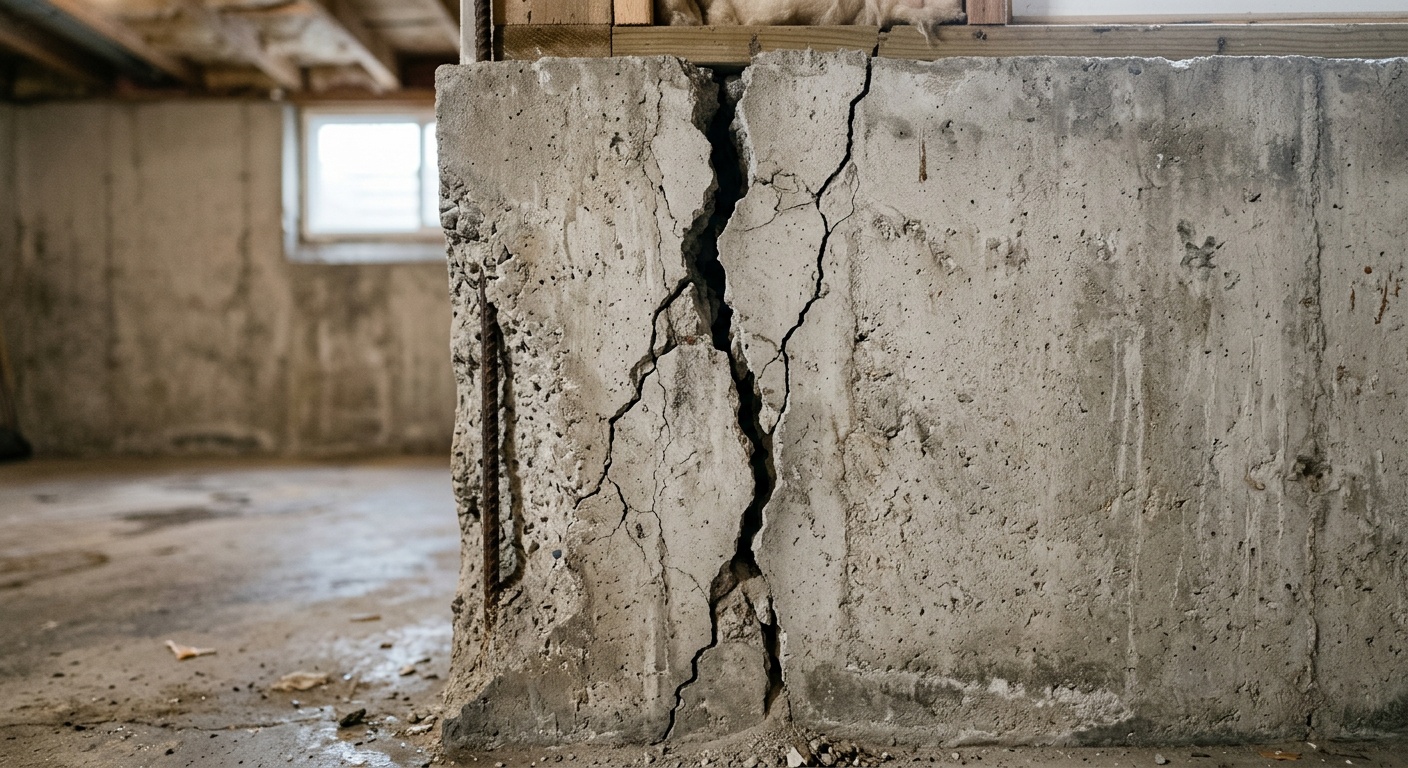
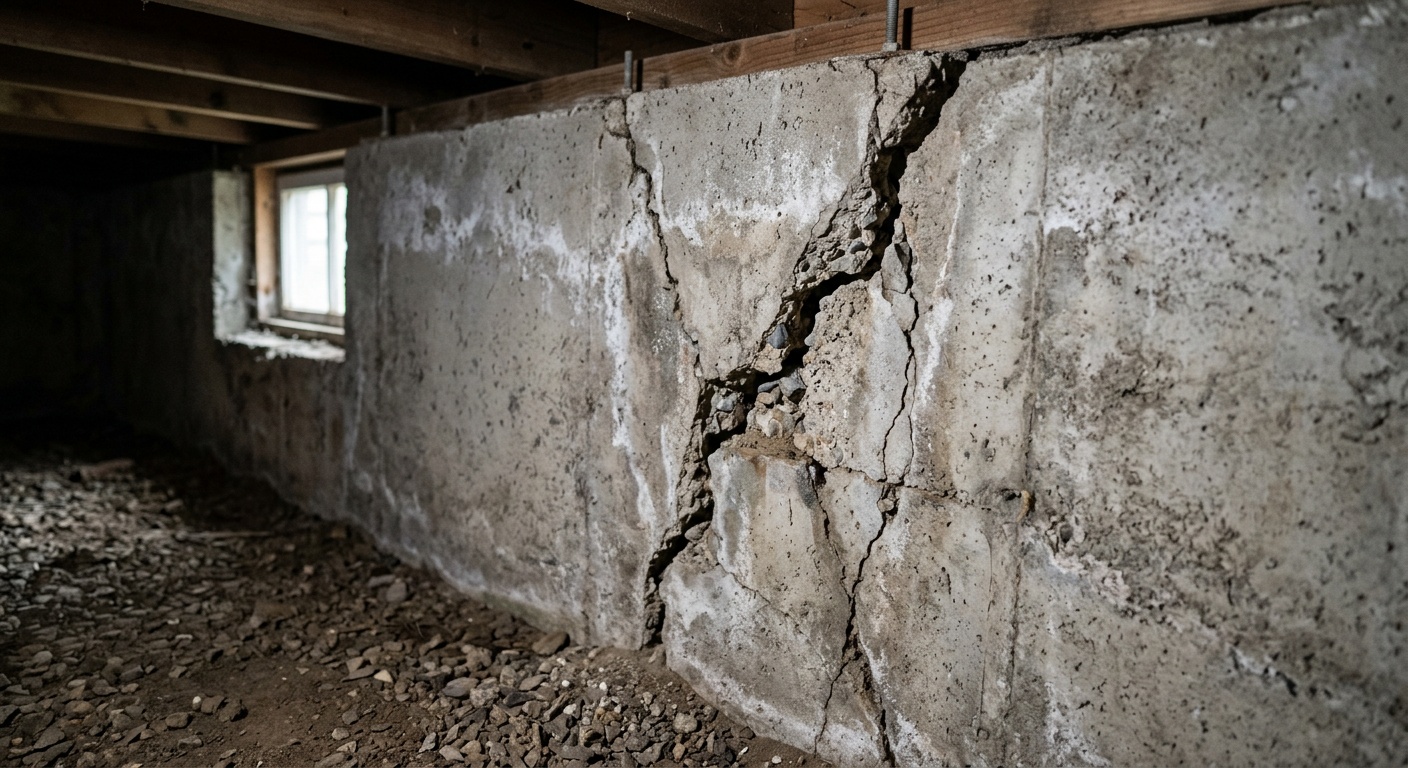
| Professional injection sealing | 10-20 years | $$$ | Foundation cracks |
How Costs Stack Up: A Visual Breakdown
Here’s a simplified comparison of average remediation costs (in CAD) reported by Montreal property managers in 2026, based on severity level at time of intervention:
The pattern is unmistakable: cost doesn’t rise gradually with neglect—it accelerates. Waiting rarely saves money; it almost always multiplies the eventual bill.
Practical Prevention Roadmap
If you’re a condo owner or board member wanting to get ahead of these issues in 2026, here’s where to start:
- Request a building envelope inspection if one hasn’t happened in the last five years—this should cover balconies, roofs, and garage slabs together, not piecemeal.
- Review your syndicate’s reserve fund study to confirm waterproofing repairs are budgeted realistically, not just cosmetically addressed.
- Document everything—photos of cracks, staining, or pooling water create a paper trail that speeds up insurance claims and board approvals.
- Avoid DIY exterior sealing beyond minor, non-structural touch-ups. Leave anything involving flashing, membranes, or structural joints to certified contractors.
- Push for proactive scheduling rather than reactive repairs—membrane replacement on a schedule is dramatically cheaper than emergency remediation.
Frequently Asked Questions
How often should a Montreal condo’s waterproofing be inspected?
Most experts recommend a full inspection every 5 years for balconies and terraces, and every 3-5 years for parking garages given their exposure to road salt. Buildings older than 20 years should consider annual visual checks in addition to formal inspections.
Who pays for waterproofing repairs—the owner or the syndicate?
It depends on your building’s declaration of co-ownership. Generally, common elements like roofs and garages fall under the syndicate’s responsibility, while balconies can be split depending on whether they’re classified as private or common portions. Always check your specific declaration rather than assuming.
Can I fix a small leak myself before calling a professional?
For very minor, clearly cosmetic gaps, temporary sealing can buy time. However, if the leak recurs, worsens with rain, or shows staining spreading over time, it’s a sign of an underlying membrane or structural issue that DIY methods won’t resolve—call a licensed waterproofing contractor.
Your Roadmap Forward
Waterproofing failures rarely announce themselves loudly—they whisper through small stains, slow drips, and hairline cracks until the problem becomes impossible to ignore. As Montreal’s building stock continues aging through 2026 and beyond, the gap between proactive owners and reactive ones will only widen, both in comfort and in cost.
Here’s your quick-glance checklist to act on this month:
- Schedule or request a building envelope inspection if it’s been over five years
- Check your syndicate meeting minutes for any mentions of deferred waterproofing repairs
- Photograph any visible cracks, stains, or pooling water on your balcony today
- Ask your board directly: “What’s our waterproofing maintenance schedule?”
You don’t need to become a waterproofing expert overnight. You just need to ask the right questions before the next freeze-thaw season makes the decision for you. So—when’s the last time anyone actually looked under your balcony tiles?