Preventing Mold Growth After Waterproofing Your Montreal Basement
Reading time: 9 minutes
You finally did it. After months of watching water creep along your basement floor every spring melt, you invested in professional waterproofing. The contractor packed up, the invoice cleared, and you breathed a sigh of relief. Then, three months later, you noticed that faint musty smell again. Sound familiar?
Waterproofing your basement is a huge step, but it’s not the finish line—it’s the starting point of an ongoing moisture management strategy. In Montreal, where humid summers collide with freeze-thaw winters, basements remain one of the most mold-prone zones in any home, even after waterproofing work is complete.
Table of Contents
- Why Mold Still Shows Up After Waterproofing
- The Montreal Climate Factor
- Humidity Control: Your First Line of Defense
- Ventilation Strategies That Actually Work
- Common Challenges and How to Overcome Them
- Comparing Mold Prevention Methods
- Frequently Asked Questions
- Your Mold-Free Basement Roadmap
Why Mold Still Shows Up After Waterproofing
Here’s the straight talk: waterproofing addresses liquid water intrusion—cracks, hydrostatic pressure, foundation seepage. Mold, however, only needs humidity above 60% and organic material like drywall, wood framing, or cardboard boxes to thrive. You can have a bone-dry foundation and still grow a thriving colony of mold if the air in your basement stays damp.
Dr. Caoimhe Connolly, a building science consultant who has assessed hundreds of Montreal homes, puts it this way: “Waterproofing stops bulk water. It does almost nothing for ambient moisture. Homeowners who think the two problems are the same are the ones who call us back six months later, confused about a new mold patch on their finished ceiling.”
This distinction matters enormously for Montreal homeowners heading into 2026, where insurance claims related to basement mold damage have continued climbing according to regional insurers tracking water-and-mold-related claims across Quebec.
The Montreal Climate Factor
Montreal’s climate creates a near-perfect storm for post-waterproofing mold. Summer humidity regularly pushes past 70%, while winter heating dries indoor air only to have spring thaw reintroduce dampness through the soil surrounding your foundation. Add in older housing stock—many homes in boroughs like Rosemont, Verdun, and Ahuntsic-Cartierville date back 60 to 100 years—and you get basements with limited insulation, minimal vapor barriers, and stone or brick foundations that naturally hold moisture longer than modern poured concrete.
A 2026 seasonal advisory from a Montreal-area home inspection network noted that nearly 4 in 10 basement mold complaints they investigated occurred in homes that had waterproofing completed within the previous two years. The takeaway isn’t that the waterproofing failed—it’s that nobody addressed the humidity side of the equation afterward.
A Real Scenario: The Plateau Duplex
Consider a duplex owner in the Plateau who spent roughly $14,000 CAD on exterior waterproofing and a new sump pump system in early 2025. The foundation cracks were sealed, drainage was rerouted, and the basement stayed dry through spring. But by August, a faint gray fuzz appeared along the baseboards of a newly finished rec room. An inspection revealed the culprit: no dehumidifier, no exhaust fan, and a dryer vent that was quietly leaking humid air into the joist cavity above the finished ceiling.
The fix wasn’t more waterproofing—it was a $280 dehumidifier, a vented dryer repair, and a $150 hygrometer to monitor humidity going forward. Six months later, no recurrence.
Humidity Control: Your First Line of Defense
Once bulk water is under control, humidity becomes your primary enemy. Mold spores are already present in virtually every basement—they’re airborne everywhere. The only variable you control is whether conditions let them multiply.
- Target 30-50% relative humidity year-round, verified with a simple hygrometer costing under $25.
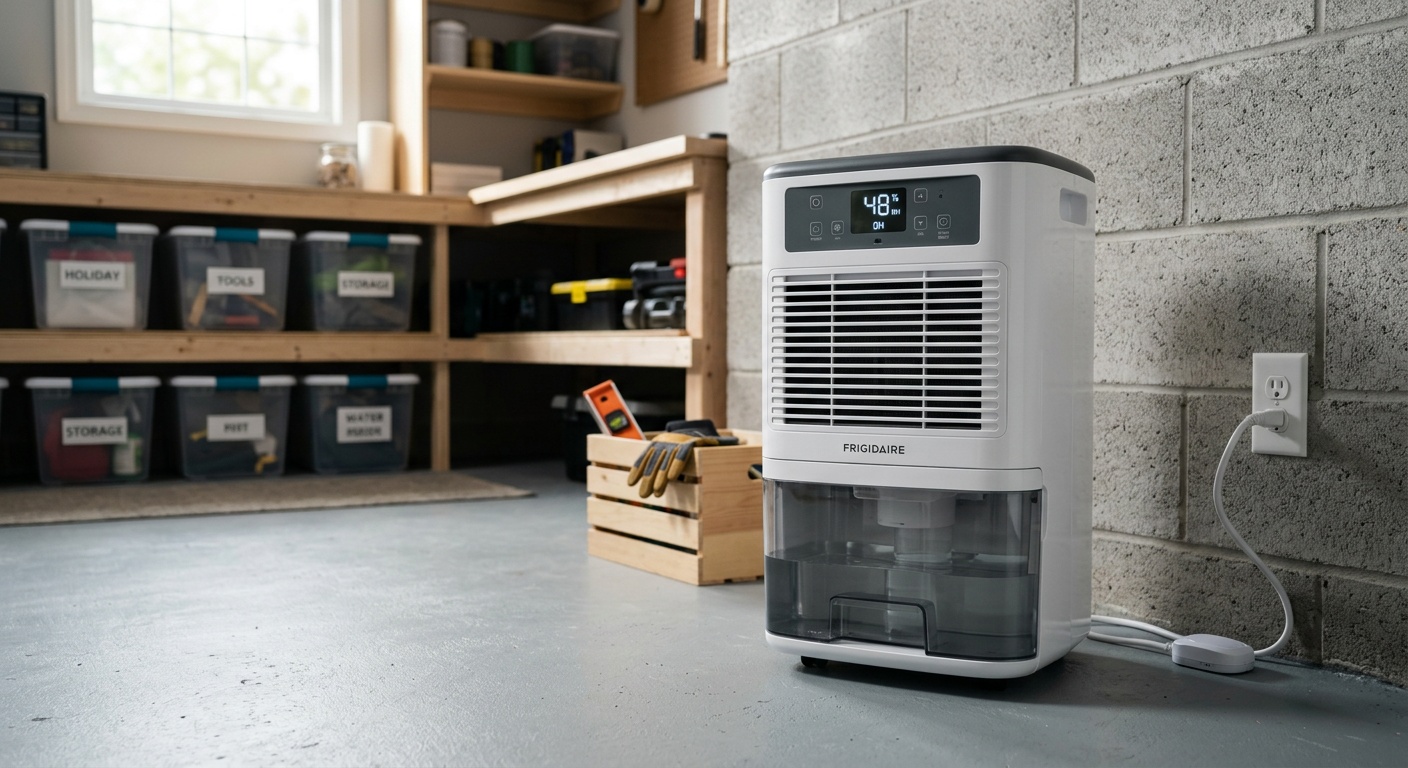
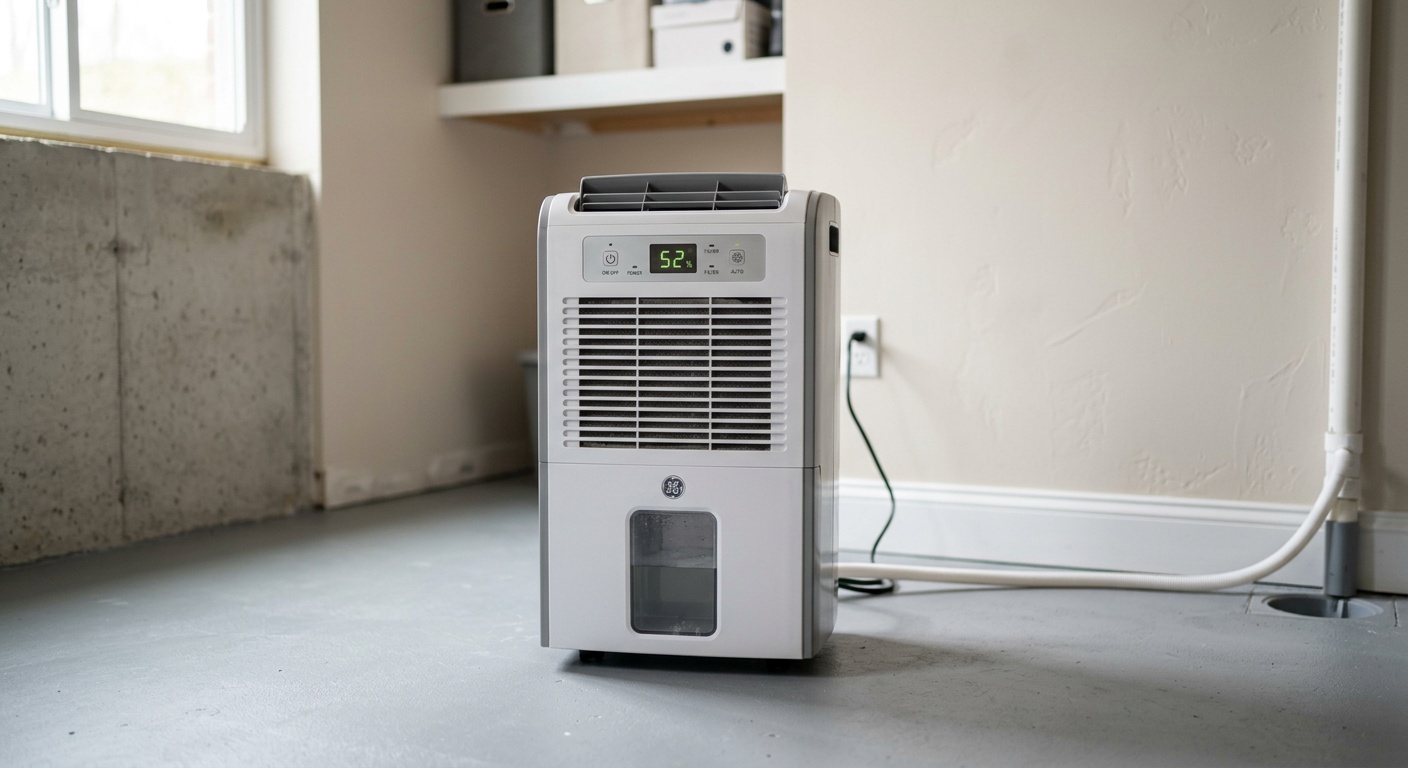
- Run a dehumidifier sized for your square footage—a 30-40 pint unit typically suffices for a standard Montreal basement of 800-1000 sq ft.
- Empty or drain the dehumidifier automatically via a hose connection to avoid neglect during busy weeks.
- Insulate cold-water pipes to prevent condensation drips that mimic leaks and feed mold colonies.
Ventilation Strategies That Actually Work
Ventilation is often overlooked because Montreal winters make homeowners instinctively seal everything shut. But stagnant air is exactly what mold wants. Practical steps include:
- Installing a bathroom-style exhaust fan in basements with limited airflow, vented directly outside—not into the attic or joist space.
- Keeping interior basement doors slightly open or using louvered doors to promote air circulation between rooms.
- Ensuring HRV (heat recovery ventilator) systems, increasingly common in retrofitted Montreal homes, include basement-level intake or exhaust points.
- Avoiding storage of cardboard boxes or untreated wood directly against foundation walls—use sealed plastic bins on shelving instead.
Common Challenges and How to Overcome Them
Challenge 1: “I Already Waterproofed—Why Is This Still Happening?”
This is the single most common frustration contractors hear. The answer almost always traces back to humidity, not hydrostatic pressure. Reframe your mental model: waterproofing solved the structural water problem; mold prevention is a separate, ongoing maintenance habit, much like changing furnace filters.
Challenge 2: Finished Basements Hide Problems Longer
Drywall and drop ceilings look great, but they conceal early mold growth until it’s extensive. If your basement is finished, schedule a visual inspection behind an accessible panel or closet at least twice a year, particularly after spring thaw and again in late summer.
Challenge 3: Balancing Cost and Effectiveness
Not every homeowner wants to spend heavily on continuous mold prevention. The good news is that the highest-impact interventions—dehumidification and ventilation—are also among the least expensive compared to structural waterproofing itself.
Comparing Mold Prevention Methods
| Method | Avg. Cost (CAD) | Effectiveness | Maintenance Level | Best For |
|---|---|---|---|---|
| Dehumidifier (30-40 pint) | $200-$350 | High | Weekly draining/monitoring | Most Montreal basements |
| Exhaust Fan Installation | $300-$600 | Moderate-High | Low | Poorly ventilated spaces |
| Vapor Barrier on Walls | $800-$2,000 | Moderate | Very low | Unfinished basements |
| Mold-Resistant Drywall/Paint | $500-$1,500 | Moderate | Low | Finished rec rooms |
| Ongoing HRV Balancing | $150-$400/yr | High | Seasonal tuning | Homes with existing HRV systems |
Visualizing Effectiveness by Intervention
The pattern is clear: humidity control consistently outperforms passive material choices. Materials help, but they don’t replace active moisture management.
Practical Maintenance Checklist
- Check hygrometer readings weekly during spring and summer months.
- Inspect dehumidifier filters monthly; clean or replace as needed.
- Walk the basement perimeter after every heavy rain or thaw event to check for condensation or musty odors.
- Confirm exterior grading still slopes away from the foundation—soil settles over time and can undo waterproofing benefits.
- Schedule a professional moisture audit every two years, even if no visible problems exist.
Frequently Asked Questions
How soon after waterproofing should I start monitoring for mold?
Begin immediately. Install a hygrometer the same week your waterproofing work finishes, and start dehumidifier use before your first humid season arrives, not after you notice a smell.
Can mold grow even in a completely unfinished, dry-looking basement?
Yes. Concrete and stone foundations retain moisture invisibly, and mold can grow on the underside of subfloor insulation or wood framing long before it’s visible on painted surfaces.
Is bleach an effective long-term mold treatment after waterproofing?
Bleach kills surface mold temporarily but doesn’t penetrate porous materials like wood or drywall, and it doesn’t address the humidity that caused the growth. Most building science experts recommend a combination of mechanical removal, HEPA vacuuming, and humidity control instead.
Your Mold-Free Basement Roadmap
Waterproofing gives you a dry foundation, but mold prevention is a habit, not a one-time purchase. As Montreal’s climate continues delivering unpredictable freeze-thaw cycles and humid summers through 2026 and beyond, basements will remain a frontline space in home maintenance for the foreseeable future.
- Step 1: Install a hygrometer this week and track readings for two weeks to establish a baseline.
- Step 2: Size and install a dehumidifier appropriate for your basement’s square footage.
- Step 3: Add or verify ventilation—exhaust fans or HRV balancing—especially in finished spaces.
- Step 4: Schedule a bi-annual visual inspection behind drywall panels or storage areas.
- Step 5: Book a professional moisture audit every two years to catch what your eyes and nose might miss.
You’ve already made the harder investment by waterproofing. Protecting that investment now takes far less money and far more consistency. So, what’s stopping you from checking your basement’s humidity level today?